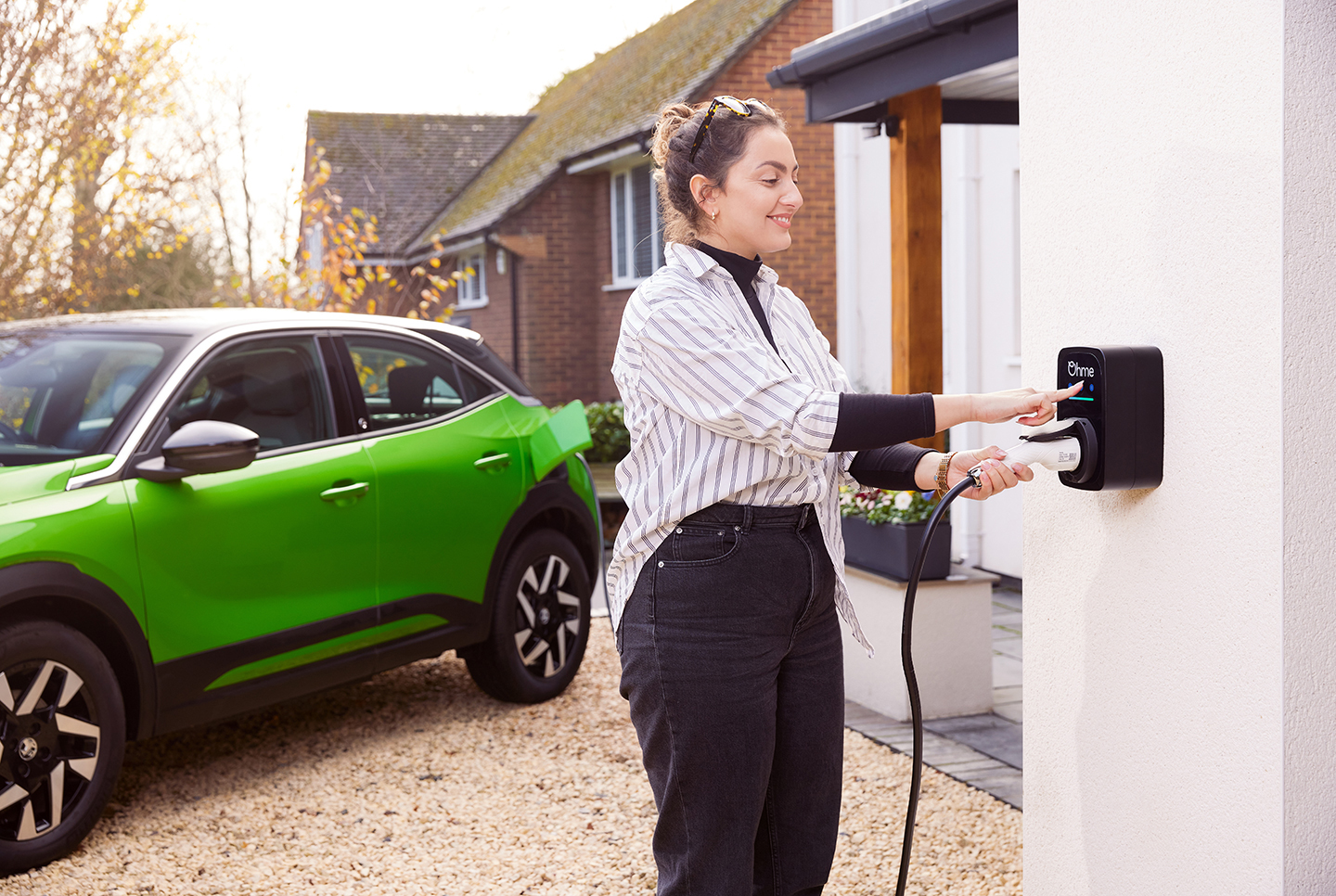
A home EV charger cost in the UK sits between £700 and £1,500 fully installed in 2026. That headline figure hides real variation. Your property, supply type, and chosen unit all shift the price.
This guide breaks down every cost you should expect. You will see hardware prices, installation variables, current grant rules, and true running costs. By the end, you will know exactly what a fair quote looks like.
How Much Does a Home EV Charger Cost in the UK?
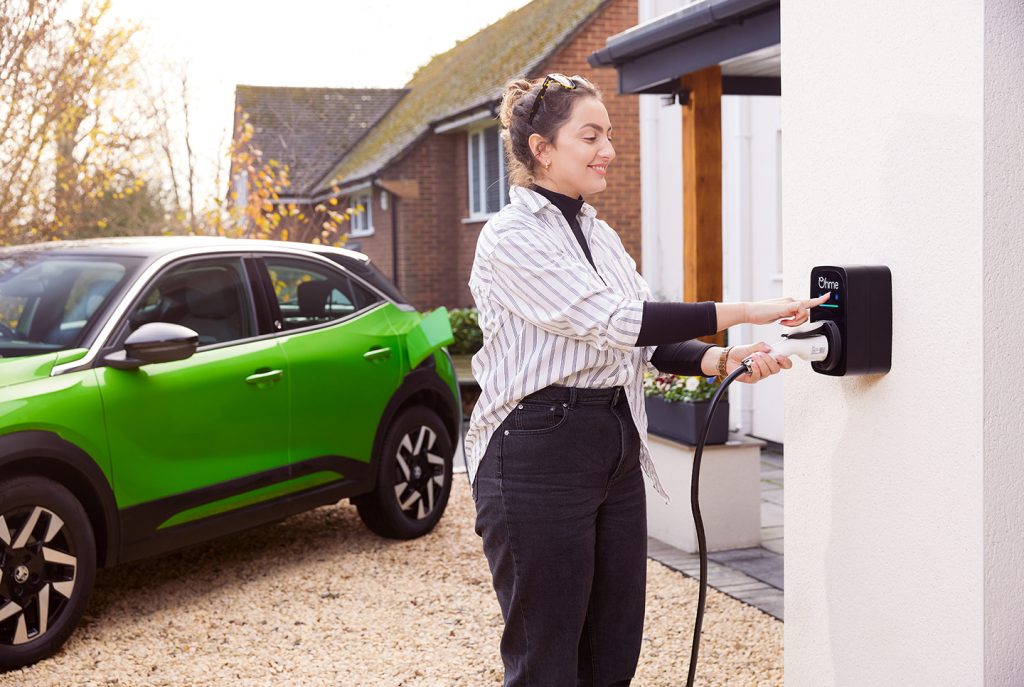
A home EV charger in the UK costs £700 to £1,500 fully installed in 2026. Hardware ranges from £400 to £1,200 depending on features. Standard installation adds £300 to £800. Complex installs needing a consumer unit upgrade or long cable run can push the total higher.
The table below shows typical 2026 costs for a standard single-phase home installation.
| Cost Element | Typical Price | Notes |
|---|---|---|
| Charger hardware | £400 to £1,200 | 7kW smart unit, tethered or untethered |
| Standard installation | £300 to £500 | Cable run under 10m, modern consumer unit |
| Complex installation | £500 to £800+ | Consumer unit upgrade, long cable, earthing |
| EV Chargepoint Grant | up to £350 off | Eligible flat owners and renters only |
| Fully installed total | £700 to £1,500 | Most UK homes fall in this range |
Hardware Costs: What You Pay for the Charger Itself
A 7kW home charger price in 2026 falls into three clear tiers. Each tier reflects build quality, features, and warranty length.
- Budget tier (£400 to £600): Basic 7kW smart chargers with app control and scheduling.
- Mid tier (£600 to £900): Load balancing, solar PV integration, stronger build, longer warranties.
- Premium tier (£900 to £1,200+): Premium brands, integrated screens, advanced energy features.
All home chargers sold in the UK must meet the Smart Charge Regulations 2022. Smart functionality is not an optional extra. You are paying for it either way.
Tethered vs Untethered EV Charger: Which Is Cheaper?
Tethered chargers have a fixed cable. Untethered units use a socket and your own cable. The cost gap is smaller than most buyers expect.
| Feature | Tethered | Untethered |
|---|---|---|
| Typical price premium | +£30 to £80 | Baseline |
| Convenience | Plug straight in | Fetch cable each time |
| Future-proofing | Cable fixed to Type 2 | Swap cables if needed |
| Look | Cable always visible | Tidier when not in use |
Home EV Charger Installation Cost: What Drives Your Quote
Two quotes for the same house can differ by hundreds of pounds. The variable is almost always the installation, not the charger itself.
A standard install costs £300 to £500. A complex install runs £500 to £800 or more. Here is what pushes you from one bracket to the other.
- Consumer unit upgrade: £200 to £400 if your board cannot accept a dedicated EV circuit.
- Cable run over 10m: £15 to £25 per additional metre, more if buried underground.
- Earth rod installation: £80 to £150 where your supply earthing needs upgrading.
- Surface vs buried cabling: Buried runs need trenching and cost more in labour.
- Detached garage or outbuilding: Longer runs, SWA cable, and sometimes groundworks.
Your installer should handle Distribution Network Operator (DNO) notification. That is included in a fair standard quote.
An OZEV approved EV charger installation matters for three reasons. It keeps the work compliant with BS 7671 and the IET Code of Practice. It protects your warranty. It keeps you eligible for the EV Chargepoint Grant.
The EV Chargepoint Grant in 2026: Who Actually Qualifies?
The EV Chargepoint Grant gives up to £350 off a home charger in 2026. Eligibility is narrower than most guides still suggest.
You can claim the grant if you:
- Own a flat and have dedicated off-street parking.
- Rent any residential property (house or flat).
- Use an OZEV approved installer to carry out the work.
Homeowners in standard houses with driveways no longer qualify. That funding route closed in 2022.
Scottish residents should check separate funding through the Energy Saving Trust. Always verify current terms on the official gov.uk EV Chargepoint Grant page before ordering your charger.
Your installer handles the grant claim. You pay the reduced price up front. There is no rebate process for you to manage.
EV Charger Running Cost: What Home Charging Costs Per Month
Charging at home is where the real savings sit. The numbers below use typical 2026 tariffs. Verify current unit rates with Ofgem before budgeting.
A standard domestic tariff runs around 27p per kWh. An EV-specific off-peak tariff can drop to 7p to 8p per kWh overnight. That gap is worth real money.
Take a 60kWh EV battery charged from 20% to 100%. That is 48kWh of energy.
| Charging Type | Cost per Full Charge | Cost per 10,000 Miles |
|---|---|---|
| Home off-peak (7p/kWh) | £3.36 | ~£210 |
| Home standard (27p/kWh) | £12.96 | ~£810 |
| Public rapid (75p/kWh) | £36.00 | ~£2,250 |
Over five years at 10,000 miles a year, a home off-peak charger saves roughly £10,000 against public rapid charging. That swamps the installation cost many times over.
How to Choose the Right Home EV Charger
The cheapest home EV charger is rarely the right one. Match the unit to your supply, your driving, and your long-term plans.
- Match kW to your supply: Most UK homes have single-phase power. That caps you at 7.4kW.
- Avoid 22kW unless you have three-phase: A three-phase supply upgrade costs thousands. Not worth it for domestic use.
- Check EV tariff compatibility: Your charger must talk to your tariff to hit cheap overnight rates.
- Plan for solar: Choose a charger with solar diversion if you have, or plan to add, PV panels.
- Demand a 5-year warranty: Three years is the floor. Five or more signals real quality.
A 7kW unit fully charges most EVs overnight. Faster is not always better.
Frequently Asked Questions
How long does home EV charger installation take?
A standard home EV charger installation takes 3 to 4 hours. Complex installs involving consumer unit upgrades, long cable runs, or groundworks can take a full day. Your installer handles DNO notification, commissioning, and any required electrical certificates before leaving.
Is a 7kW or 22kW charger better for a UK home?
A 7kW charger is the right choice for almost every UK home. A 22kW charger requires three-phase electricity, which most UK homes do not have. Upgrading the supply costs thousands. A 7kW unit fully charges most EVs overnight, making the faster unit unnecessary at home.
Does my house need rewiring for an EV charger?
Most homes do not need rewiring for an EV charger. Your installer runs a dedicated circuit from your consumer unit to the charger. An older consumer unit may need upgrading, typically £200 to £400. Full house rewires are rare and unrelated to EV charging.
Can any electrician install a home EV charger?
No, not legally if you want grant funding or compliance. EV charger installation must follow BS 7671 and the IET Code of Practice. Only OZEV approved installers can register the unit for the EV Chargepoint Grant. Using an unapproved electrician can void warranties and funding.
What is the cheapest way to charge an EV at home?
The cheapest way to charge an EV at home is using a smart charger on a dedicated EV tariff with off-peak rates. Overnight rates of 7p to 8p per kWh cut charging costs by roughly 75% against standard tariffs. Solar PV integration cuts the bill further.
Get a Transparent EV Charger Quote
A home EV charger in 2026 costs £700 to £1,500 fully installed for most UK homes. Hardware, installation complexity, and grant eligibility drive the final figure. Running costs on a smart off-peak tariff are where the real savings land.
Domestic Group provides OZEV approved EV charger installation across Hertfordshire and surrounding counties. Every quote is itemised, so you see exactly what you are paying for. Request your quote and get an honest price built around your property.
Schema Markup Recommendations
Apply the following structured data types to this page:
- Article (or BlogPosting) with author, datePublished, and dateModified.
- FAQPage using the five Q&As from this post.
- BreadcrumbList: Home > Blog > EV Charging > This Post.
FAQPage Schema Q&A Pairs
Q: How much does a home EV charger cost in the UK in 2026?
A: A home EV charger in the UK costs between £700 and £1,500 fully installed in 2026. Hardware ranges from £400 to £1,200. Standard installation adds £300 to £800. Complex installations involving consumer unit upgrades or long cable runs can push the total higher.
Q: Is there still a grant for home EV chargers in 2026?
A: The EV Chargepoint Grant offers up to £350 off a home charger. Eligibility is limited to flat owners, people in rental accommodation, and certain other groups. Homeowners with standard off-street parking no longer qualify. Scottish residents can access separate Energy Saving Trust funding.
Q: How long does it take to install a home EV charger?
A: A standard home EV charger installation takes 3 to 4 hours. Complex installations involving consumer unit upgrades, long cable runs, or groundworks can take a full day. The installer handles DNO notification, commissioning, and any required certificates before leaving.
Q: Is a 7kW or 22kW charger better for a UK home?
A: A 7kW charger is the right choice for nearly all UK homes. A 22kW charger requires a three-phase electricity supply, which most UK homes do not have. Upgrading costs thousands. A 7kW unit fully charges most EVs overnight, making the faster unit unnecessary for domestic use.
Q: Why do I need an OZEV approved installer?
A: An OZEV approved installer ensures your installation complies with BS 7671 wiring regulations and the IET Code of Practice for EV charging. Approval is required to claim the EV Chargepoint Grant and typically validates the hardware warranty. Using a non-approved electrician can void protection and funding.