Your boiler is making a strange noise, or your installer just told you it is on its last legs. Now you are stuck choosing between a combi, system or regular boiler. The honest answer is that the right choice depends on your home, not on which boiler is best in the abstract.
This guide explains how each type works, which home each one suits, and the one number most articles get wrong. By the end, you will know exactly which boiler fits your property.
What’s the Difference Between a Combi, System and Regular Boiler?
A combi boiler heats water directly from the mains on demand, with no tanks or cylinders. A system boiler heats water from the mains and stores it in a hot water cylinder. A regular boiler (also called a heat-only or conventional boiler) needs both a cold water tank in the loft and a hot water cylinder.
The right choice depends on three things: your home size, your number of bathrooms, and your mains water pressure.
Combi Boilers Explained
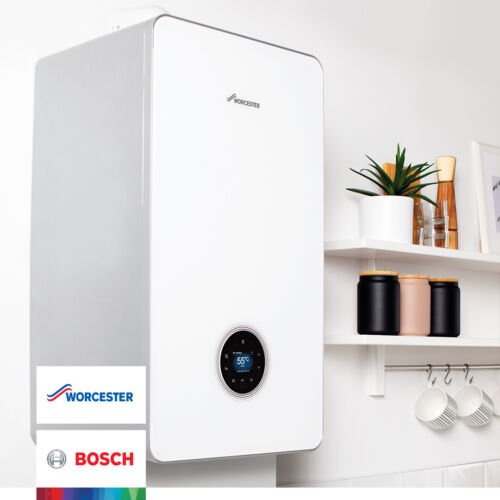
A combi boiler is a single compact unit that handles both heating and hot water. There are no tanks, no cylinders, and no airing cupboard space wasted.
Pros of a combi boiler:
- Compact, often fits inside a kitchen cupboard
- Hot water comes out at mains pressure, so showers feel strong
- Generally cheaper and quicker to install
- Lower water heating waste, since water is heated only when needed
Cons of a combi boiler:
- Flow rate is limited (typically 10 to 15 litres per minute)
- Struggles to run two showers at the same time
- Performance depends on strong incoming mains pressure
Best for: flats and 1 to 3 bed homes with one bathroom and good mains pressure.
System Boilers Explained
A system boiler heats water from the mains and stores it in an insulated cylinder, ready for whenever you turn a tap. The expansion vessel sits inside the boiler, so no loft tanks are needed.
Pros of a system boiler:
- Handles two or more bathrooms running at once
- Integrates easily with solar thermal and heat pumps
- Faster install than a regular boiler
- Strong, consistent hot water pressure at every tap
Cons of a system boiler:
- Needs space for a hot water cylinder
- Hot water can run out if the cylinder is undersized
- Slightly more expensive to install than a combi
Best for: 3 to 5 bed homes with two or more bathrooms, or households where several people shower at peak times.
Regular (Heat-Only) Boilers Explained
A regular boiler is the traditional setup found in older UK homes. It pairs with a cold water tank in the loft and a hot water cylinder, usually in an airing cupboard.
Pros of a regular boiler:
- Works well with low mains water pressure
- Suits period properties with original radiators
- Reliable when paired with existing pipework
Cons of a regular boiler:
- Takes the most space (boiler, cylinder and two tanks)
- Slowest to install and more components to maintain
- Heat loss from stored water if cylinders are poorly insulated
Best for: larger period properties with low mains pressure, or homes where the existing regular system still performs well.
Combi vs System vs Regular Boiler: At-a-Glance Comparison
Here is how the three types compare on the points homeowners actually care about.
| Feature | Combi Boiler | System Boiler | Regular Boiler |
| Best home size | 1 to 3 bed | 3 to 5 bed | 4+ bed period homes |
| Bathrooms supported | 1 (ideally) | 2 or more | 2 or more |
| Space needed | Small (boiler only) | Medium (cylinder) | Large (cylinder + tanks) |
| Mains pressure needed | High | Medium to high | Low pressure tolerated |
| Hot water on tap | On demand | Stored (can run out) | Stored (can run out) |
| Works with heat pumps? | Difficult | Yes | Yes |
Which Boiler Is Best for Your Home Size?
Use the guide below to match your property to the right boiler type.
Best boiler for a 1 to 2 bed flat or small house
A combi boiler is almost always the right call. Hot water demand is low, you usually have one bathroom, and space is tight. A combi keeps installation simple and frees up storage space.
Best boiler for a 3 bed house with one bathroom
A combi boiler suits most 3 bed homes with good mains water pressure. If your pressure is weak, or your area is known for low flow, a system boiler with a cylinder is the safer choice.
Best boiler for a 4 bed house with two bathrooms
A system boiler is the better fit. Two bathrooms running at once need more hot water than a combi can comfortably deliver. A 200 to 250 litre cylinder handles peak demand without dropping pressure.
Best boiler for a 5+ bed house or large period property
A system or regular boiler wins here. Larger homes need stored hot water for multiple bathrooms, and period properties often have radiators that work better with regular boilers. The right answer depends on the existing pipework, which only a survey can confirm.
Hot Water Flow Rate: The Number Most Guides Miss
Flow rate is the number that decides whether a combi will work in your home. It is measured in litres per minute (L/min) and tells you how much hot water your boiler can produce at once.
Here is what real-world hot water demand looks like:
- A standard shower needs around 8 to 12 L/min
- A bath tap delivers 15+ L/min
- Two showers running at once need roughly 18 to 24 L/min combined
A combi boiler typically delivers 10 to 15 L/min. That is fine for one shower, but two showers at once will see pressure drop noticeably. This is the real reason combis struggle in larger homes, not heating output.
Quick test: time how long your kitchen cold tap takes to fill a 1 litre jug at full flow. Under 6 seconds is strong. Over 10 seconds is weak, and your home may suit a system boiler regardless of size.
Cost Comparison: Installation and Running Costs
Installation costs vary by property, but the typical ranges in the UK are:
- Combi boiler swap: around £2,000 to £3,500
- System boiler installation: around £2,500 to £4,500
- Regular boiler installation: around £2,500 to £4,000
Switching boiler types costs more than a like-for-like swap. Moving from a regular to a combi means removing loft tanks and rerouting pipework, which can add £500 to £1,500 to the job.
Running costs depend on usage, not boiler type. A poorly used combi can cost more to run than a well-sized system boiler. The bigger savings come from a system designed properly around your home.
Future-Proofing: Heat Pumps, Solar and Smart Controls
If you might add solar thermal panels or a heat pump within ten years, a system or regular boiler is the smarter long-term pick. Both connect to a cylinder, which renewables also need.
Combi boilers are harder to pair with renewables. The Boiler Plus regulations also require certain energy-saving controls on new boilers, which a Gas Safe engineer will fit as standard. You can read the current rules on the gov.uk Boiler Plus page.
Warranty: Why Installer Accreditation Matters
Standard boiler warranties run for 2 to 5 years. Manufacturer-accredited installers can offer up to 10 to 12 years on the same boiler, at no extra cost.
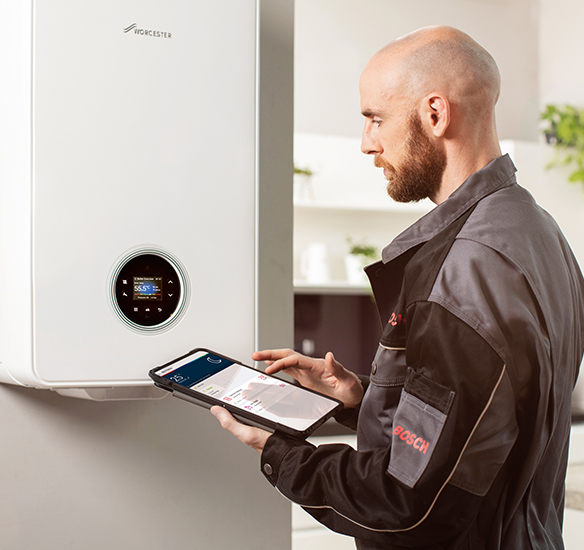
The difference is accreditation. Brands like Worcester Bosch and Vaillant only grant extended warranties when the installer has been trained, audited and approved. At Domestic Heating, we are accredited installers for both, so extended warranties are standard with our boiler installations.
All gas work must be carried out by a Gas Safe registered engineer. You can check any engineer’s registration on the Gas Safe Register.
How Domestic Heating Chooses the Right Boiler for Your Home
Every property is different, so we never start with a product. We start with a survey. Our engineers check your mains water pressure, count your bathrooms, measure your radiators and review your space.
On a recent install in a 4 bed Victorian terrace, mains pressure measured just 1.2 bar. The homeowner had already been quoted a combi elsewhere, which would have struggled with two bathrooms. We fitted a system boiler with an unvented cylinder instead, and hot water demand is now handled comfortably.
If you want a quote built around your home rather than a default product, book a boiler installation survey with our engineers.
Frequently Asked Questions
What’s the difference between a combi and a system boiler?
A combi boiler heats water directly from the mains on demand, with no tanks. A system boiler heats mains water but stores it in a hot water cylinder, which suits homes with multiple bathrooms. Both run on sealed pressurised systems, but the combi is more compact while the system boiler delivers stronger simultaneous hot water flow.
Can a combi boiler run two showers at the same time?
In most UK homes, no. A combi boiler typically delivers 10 to 15 L/min, but two showers running at once need around 18 to 24 L/min. Water pressure drops noticeably when both are used. For homes with two or more bathrooms used at peak times, a system boiler with a cylinder is the better choice.
Which boiler is best for a 3 bedroom house?
A combi boiler suits most 3 bed houses with one bathroom, as long as the mains water pressure is strong. If the property has two bathrooms or weak pressure, a system boiler with a hot water cylinder is more reliable. A professional survey confirms flow rate and pressure before any boiler is recommended.
Do I need a regular boiler if I have an old house?
Not always. Many period homes can be upgraded to a system or combi boiler, but it depends on the existing pipework. Older gravity-fed systems cannot always handle the higher pressure of a sealed system without modification. A heating engineer can assess your radiators and confirm whether a regular boiler remains the right choice.
How long does each boiler type last?
A well-maintained boiler lasts 10 to 15 years, regardless of type. Combi boilers have more components in one unit, so faults can be costlier to fix. System and regular boilers spread parts across the system. Annual servicing and installation by an accredited engineer extend lifespan and protect your manufacturer warranty.
Final Thoughts: Choose the Boiler That Fits Your Home
The right boiler is the one designed around your property. Combis suit smaller homes with strong mains pressure. System boilers handle larger homes with multiple bathrooms. Regular boilers still earn their place in period properties and low-pressure areas.
If you would like a Gas Safe engineer to assess your home and recommend the right boiler, with a 10 year warranty on accredited Worcester Bosch and Vaillant installations, book a no-obligation survey with Domestic Heating.
Still unsure which boiler suits your property? Tell us about your home and we will talk it through.