
You rely on your boiler every day. It keeps your home warm and your showers hot. So, it is incredibly frustrating when you go to turn on the heating, only to find the boiler has switched off because the pressure is too low.
Boiler pressure is essential for your heating system to work properly. It refers to the balance of water and air inside the sealed system. If the pressure drops too low, the boiler will automatically switch off to protect itself.
Many UK homeowners find themselves constantly topping up the system. While this can be a temporary fix, recurring pressure drops usually indicate an underlying issue.
Some of the most common reasons for boiler pressure dropping include:
- Leaks in the system
- Faulty pressure relief valve (PRV)
- Over bleeding radiators
- Damaged or faulty expansion vessel
- Sludge, corrosion, or blockages
In this guide, we will explore why boiler pressure drops, how to identify the problem, and what you can do to fix it.
How Boiler Pressure Works
Before we look at faults, it helps to understand the basics. Your boiler is part of a sealed system. This means the water inside it circulates around your radiators and back to the boiler in a continuous loop.
For this water to move efficiently, the system needs to be pressurised. Most modern combi boilers and system boilers have a pressure gauge on the front. You will usually see a green zone (roughly between 1 and 1.5 bar) and a red zone. When the needle drops below 1 bar, you have low boiler pressure.
Common Reasons Boiler Pressure Drops
Following are the main reasons why a boiler loses pressure.
Leaks in the System
This is the most frequent cause of boiler pressure dropping. Even a tiny leak can lead to a significant pressure drop over time. Since the system is sealed, any water that leaves must be replaced. If it isn’t, the pressure falls.
You might spot a leak easily if it is coming from a radiator valve or a pipe joint you can see. Look for:
- Damp patches on carpets or floorboards.
- Water stains on ceilings.
- Rust marks around radiator valves.
However, leaks can also happen inside the boiler itself. You might never see a puddle because the hot internal components evaporate the water before it hits the floor.
Leaks can also occur in pipework buried under concrete floors. This makes them much harder to find without professional equipment.
Faulty Pressure Relief Valve
Your boiler has a safety device called a Pressure Relief Valve (PRV). Its job is to release water if the pressure gets dangerously high. Sometimes, this valve gets damaged or clogged with debris. If it doesn’t close properly, it will constantly let water drip out of the system.
You can often check this yourself. Look for the copper pipe that runs from your boiler to the outside wall. If you see water dripping from this pipe when the boiler is off or running normally, your PRV might be faulty.
Bleeding Radiators Too Often
Bleeding radiators is a great way to remove trapped air. It helps your radiators get hot all the way to the top. However, when you bleed a radiator, you are releasing air. That air was taking up space and contributing to the system pressure. When the air leaves, the pressure drops.
If you have to bleed your radiators constantly, you are likely treating the symptom rather than the cause. You might be drawing fresh air into the system elsewhere, or there could be a tiny leak.
Every time you bleed a radiator, check your boiler gauge. You will likely need to top up the water via the filling loop to restore the correct level.
Faulty Expansion Vessel
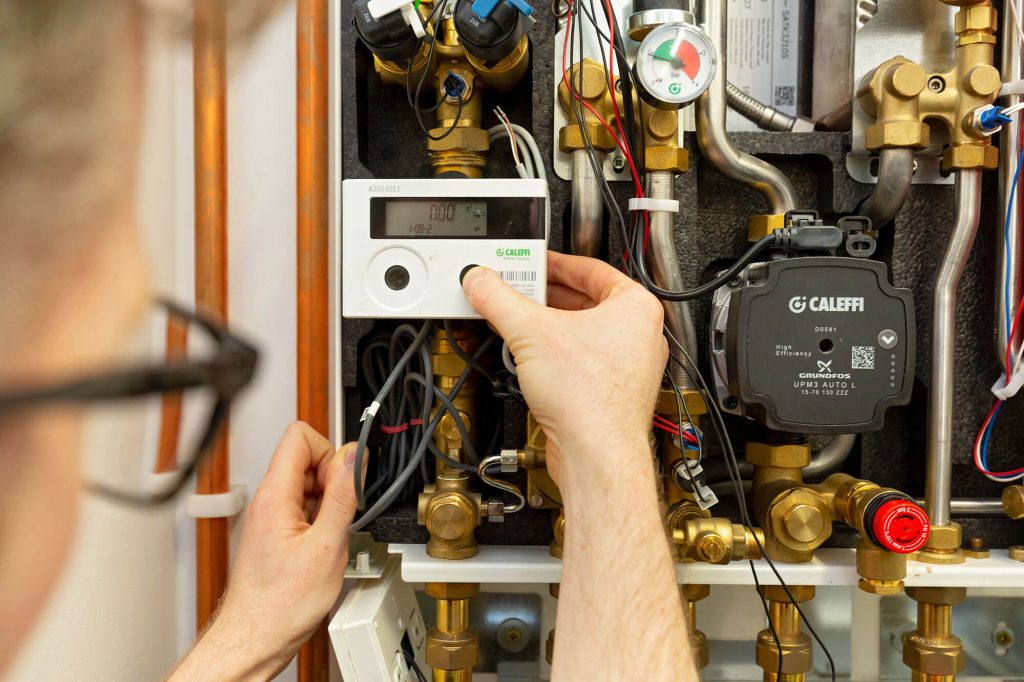
The expansion vessel handles the expansion of hot water. Over time, the air charge inside the vessel can deplete, or the rubber diaphragm inside can perish.
If the expansion vessel fails, the water has nowhere to go when it heats up. The pressure will spike rapidly. This triggers the safety valve to dump water to lower the pressure.
Once the heating cools down, that water is gone. The result? The pressure gauge drops to zero. If you notice the pressure shooting up high when the heating is on, and then dropping very low when it’s off, the expansion vessel is likely the issue.
Corrosion or Blockages
Older heating systems often collect sludge over time. This sludge is a mix of rust and dirt that turns into a thick, black substance.
Sludge can block pipes and damage valves. It may also cause small leaks in radiators because of internal rust. If a valve becomes blocked with dirt, it may not close properly. This can cause the boiler pressure to drop slowly.
Regular heating system maintenance helps keep the system clean and prevents these problems.
How to Fix a Boiler Pressure Drop
If you are facing low pressure, don’t panic. You can often get the heating back on quickly.
First, try re-pressurising the system.
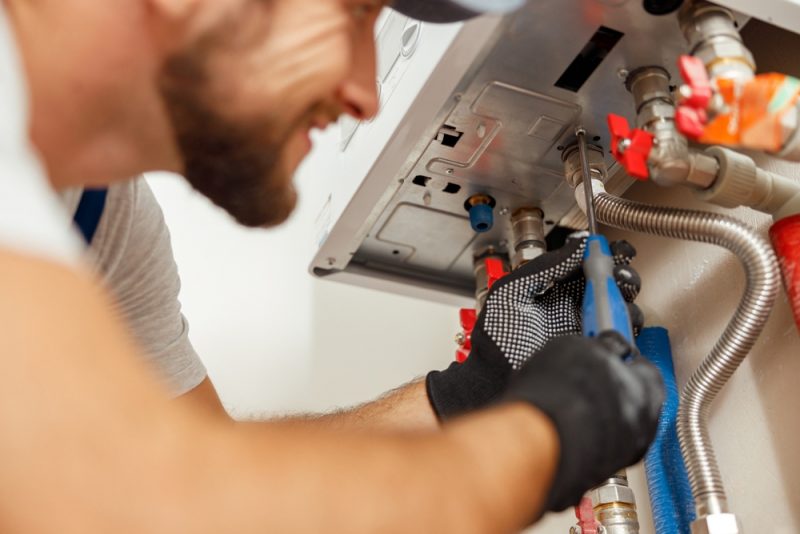
- Find the filling loop. This is usually a silver flexible hose underneath the boiler with one or two black taps.
- Turn the boiler off. It is safer to do this when the system is cold.
- Open the taps. Turn them slowly. You should hear water rushing into the system.
- Watch the gauge. Keep an eye on the pressure gauge. Wait until it reaches around 1.5 bar or the manufacturer’s recommended level.
- Close the taps. Make sure they are fully closed to stop the pressure getting too high.
If the pressure holds steady for weeks or months, it might have just been a one-off issue.
When to Call a Professional
You should call a Gas Safe engineer for boiler repair if:
- You have to top up the pressure every day or every week.
- You can see water dripping from the boiler casing.
- You spot a leak under the floorboards.
- The pressure spikes dangerously high when the heating is on.
Attempting to fix internal boiler components yourself is dangerous and illegal. Always leave gas appliances to the experts.
Preventing Pressure Problems in the Future
Prevention is always cheaper than a cure. Taking care of your heating system extends its lifespan and saves you money on emergency call outs.
Regular Maintenance Tips
Keep an eye on your radiators. If you spot a small leak at a valve, tighten the nut slightly. If it persists, get the valve replaced before it causes damage.
Listen to your boiler. Strange banging or whistling noises (kettling) can indicate sludge buildup or trapped air. Check the pressure gauge regularly. Knowing what is normal for your system helps you spot a decline early.
Schedule Checks with a Certified Engineer
The best way to prevent domestic boiler issues is an annual service.
During a service, an engineer will:
- Check the expansion vessel is charged correctly.
- Test the safety devices.
- Inspect the system for water leaks.
- Clean the magnetic filter (if you have one) to remove sludge.
Regular servicing validates your warranty and ensures your home stays safe. It stops minor issues from turning into expensive breakdowns in the middle of winter.
Conclusion
A dropping pressure gauge is your boiler’s way of telling you something is wrong. While topping it up is a quick fix, it rarely solves the root cause. Whether it is a hidden leak, a faulty vessel, or just the result of bleeding radiators, ignoring the problem won’t make it go away. It usually leads to inefficient heating and higher bills.
Proper maintenance is key. By keeping on top of servicing and addressing leaks early, you ensure your home stays warm and safe. If you are unsure why your pressure keeps dropping, it is always best to seek professional advice rather than guessing.
At Domestic Group, we understand the importance of having reliable and efficient systems in your property. That’s why we offer a wide range of services including installation, repair, and maintenance of heating systems & EV chargers.
Frequently Asked Questions (FAQs)
What causes boiler pressure to drop?
Boiler pressure usually drops for two main reasons: there is a leak in the system, or the pressure relief valve is faulty. Leaks can occur in radiators, pipework, or inside the boiler itself. Bleeding your radiators frequently can also lower the pressure because you are removing air that was taking up space in the system.
Is it safe to use a boiler with low pressure?
Low pressure is not generally dangerous, but it will make your boiler inefficient. If the pressure drops too low, the boiler will likely switch itself off as a safety precaution, leaving you without heat or hot water. It is best to repressurise it as soon as possible.
How often should I check my boiler pressure?
It is a good habit to check your boiler pressure gauge once a month. You should also check it after you have bled your radiators or if the heating has been off for a long period, such as after the summer.