Your boiler works hard to keep your home warm and your showers hot. When it runs smoothly, it is easy to forget it is even there. But when it stops working, your cozy home can turn into a freezing icebox in a matter of hours.
Spotting trouble early can save you a lot of money and stress. If you catch a problem before it causes a total breakdown, you can fix it quickly and safely.
Here are the most common warning signs your boiler is about to fail:
- Strange Noises
- Boiler Keeps Switching Off
- Water Leaks or Damp Patches
- Drop in Heating or Hot Water Performance
- Pressure Problems
- Pilot Light or Error Codes
- Strange Smells
7 Most Common Warning Signs Your Boiler Is About to Fail
Your boiler will usually give you a few hints before it stops working entirely. Here are the top signs you need to watch out for.
Strange Noises
Boilers make a gentle hum when they run, which is completely normal. However, loud or unusual sounds are a big red flag.
If you hear banging, clunking, or whistling noises, your boiler is asking for help. A whistling sound, often called kettling, sually means minerals have built up inside the system.
Banging or gurgling sounds can point to a broken pump or trapped air in the pipes. If your boiler sounds like a haunted house, it is time to get it checked.
Boiler Keeps Switching Off
Does your boiler turn off by itself before your home is warm? This is called short-cycling, and it is a clear warning sign.
A boiler might keep switching off because of low water pressure, a broken thermostat, or a blocked valve. Your boiler has built-in safety features that shut it down to prevent major damage.
If you have to keep resetting your system, you have a problem that needs a professional look.
Water Leaks or Damp Patches
Water belongs inside your boiler and pipes, not on your floor. If you see small puddles around your boiler, you need to act fast.
Leaking water can cause severe damage to your floors, walls, and electrical parts. Leaks often happen when a seal breaks or a valve gets stuck. Even a tiny drip can quickly turn into a major flood. Never ignore damp patches near your heating system.
Drop in Heating or Hot Water Performance
You expect a hot shower when you turn the handle. If the water takes a long time to heat up, or if it suddenly goes cold, your boiler is struggling to keep up.
You might also notice cold spots on your radiators. If the top of the radiator is cold but the bottom is warm, you might just need to bleed the air out. But if the whole house feels colder than usual and the radiators never get fully hot, your boiler might be losing its power and nearing the end of its life.
Pressure Problems
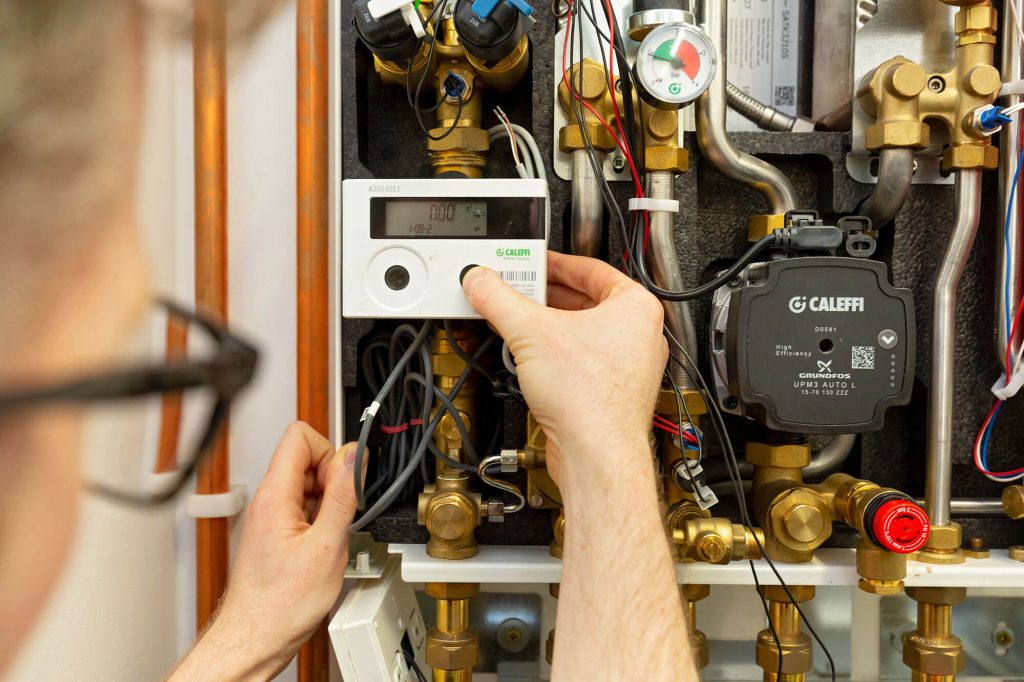
Your boiler needs the right amount of water pressure to push hot water around your home. You can check this by looking at the pressure gauge on the front of the unit.
The needle should usually sit between 1 and 1.5 bar. If the pressure is too low, the boiler will simply refuse to turn on. If the pressure is too high, it puts dangerous stress on the pipes and valves. Having to adjust the pressure constantly means there is a hidden leak or a broken part.
Pilot Light or Error Codes
Older boilers have a small blue flame called a pilot light that stays on all the time. If this flame turns yellow or orange, turn the boiler off immediately. A yellow flame means the gas is not burning correctly, which can release dangerous carbon monoxide.
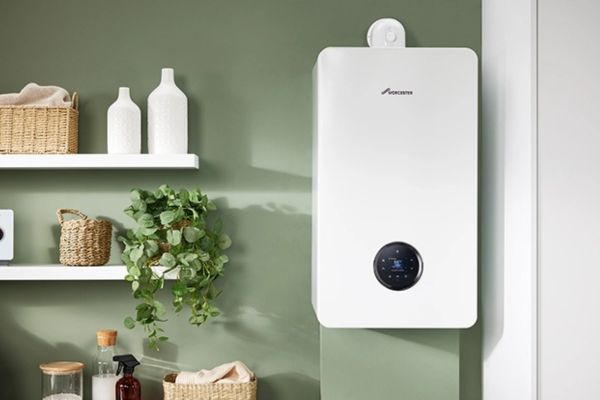
Modern boilers do not have a pilot light. Instead, they show error codes on a digital screen when something goes wrong. If your screen is flashing letters and numbers at you, grab your manual to see what the code means.
Strange Smells
A healthy boiler does not produce any noticeable smells. If you walk past your boiler and smell something strange, pay close attention.
A sulfur or rotten egg smell means you have a gas leak. This is incredibly dangerous. A burning metal or plastic smell usually means a part is melting or grinding inside the casing. If you ever smell gas, open your windows, leave the house, and call your gas emergency service right away.
What to Do If You Notice These Warning Signs
If you spot any of these warning signs, the most important thing is to stay safe. Do not wait for the problem to go away on its own.
- Turn off the boiler: If you suspect a serious problem, switch the system off.
- Check the simple things: Look at the pressure gauge or see if you just need to bleed a radiator.
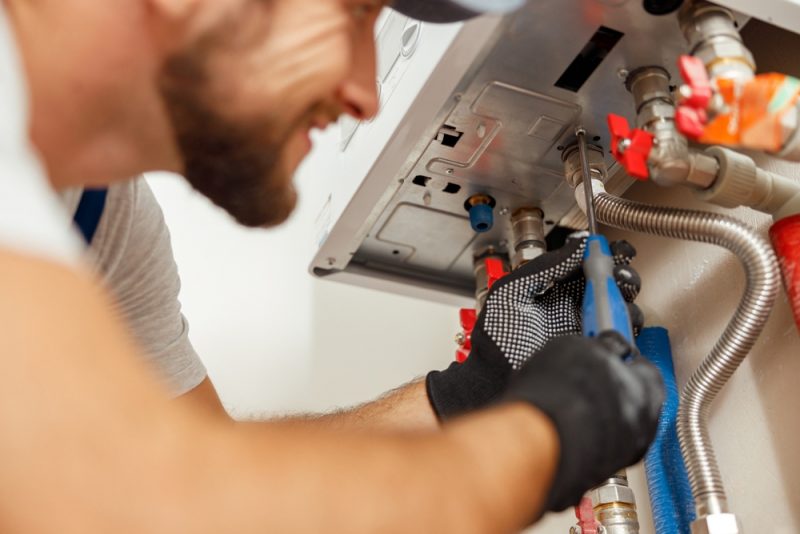
- Call a professional: Never try to take the boiler apart yourself. Gas appliances are dangerous and must be handled by trained, certified experts.
Calling a professional for a quick repair is much cheaper than buying a brand new boiler because the old one completely broke down.
Conclusion
Your boiler is the heart of your home’s comfort. By keeping a close eye out for strange noises, leaks, pressure drops, and weird smells, you can catch problems early. Spotting the warning signs your boiler is about to fail gives you time to call in a professional before you are left in the cold.
At Domestic Heating, we understand the importance of having reliable and efficient systems in your property. That’s why we offer a wide range of services including installation, repair, and maintenance of heating systems & EV chargers. Get in touch today.
Frequently Asked Questions – FAQs
How do I know if my boiler is about to fail?
Look for signs like strange noises, leaks, low pressure, or poor heating. These usually mean something is wrong and needs checking.
Is it safe to use a faulty boiler?
No, it can be dangerous. If you notice smells, leaks, or error codes, turn it off and call a professional right away.
Can I fix boiler problems myself?
You can do small things like checking pressure, but most repairs should be done by a qualified heating engineer for safety.
How often should I service my boiler?
You should service your boiler at least once a year. Regular maintenance helps prevent breakdowns and keeps it working efficiently.